FAQ
Frequently Asked Questions
You’ve questions, we have answers.
01.
General Questions
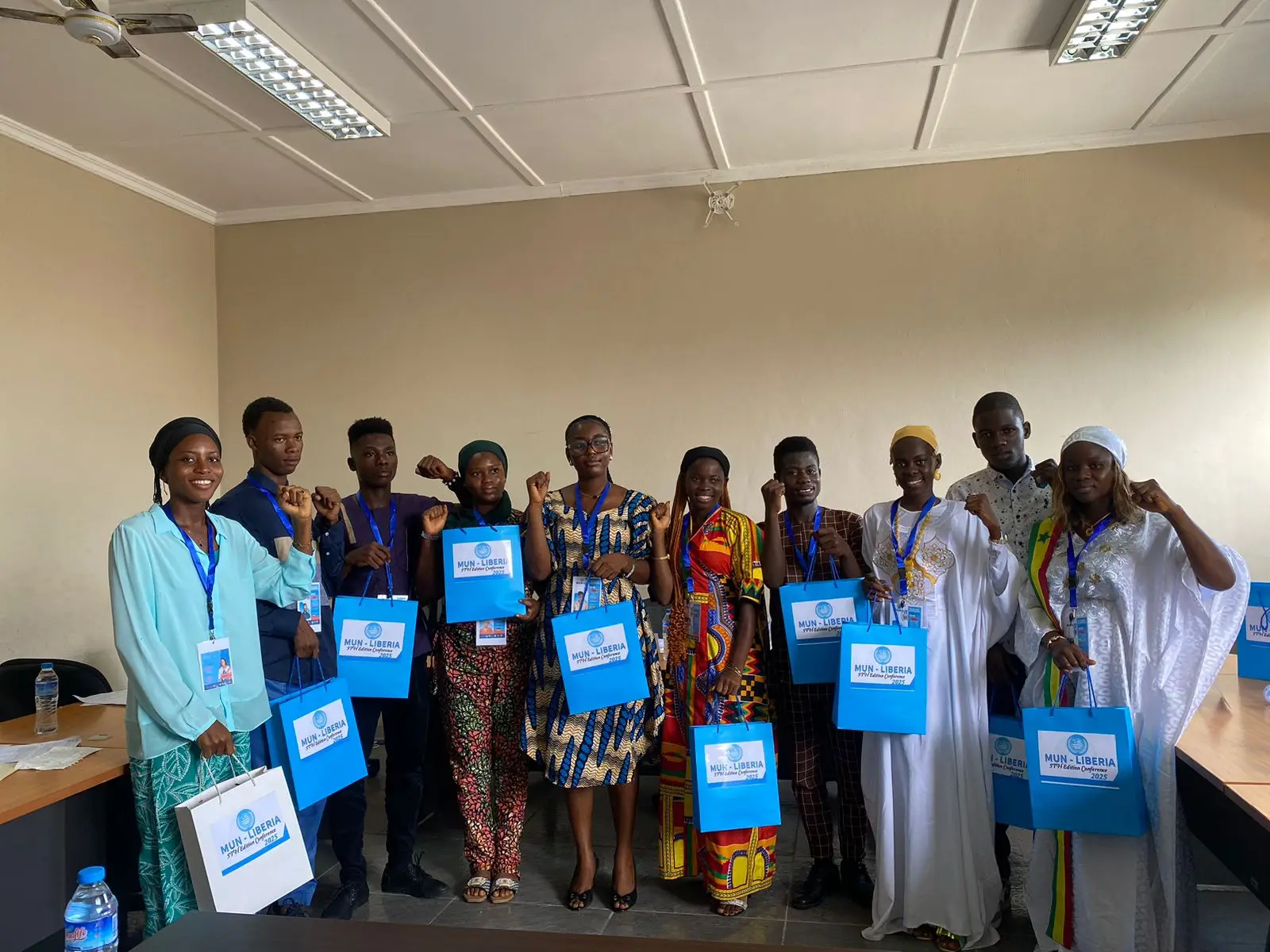
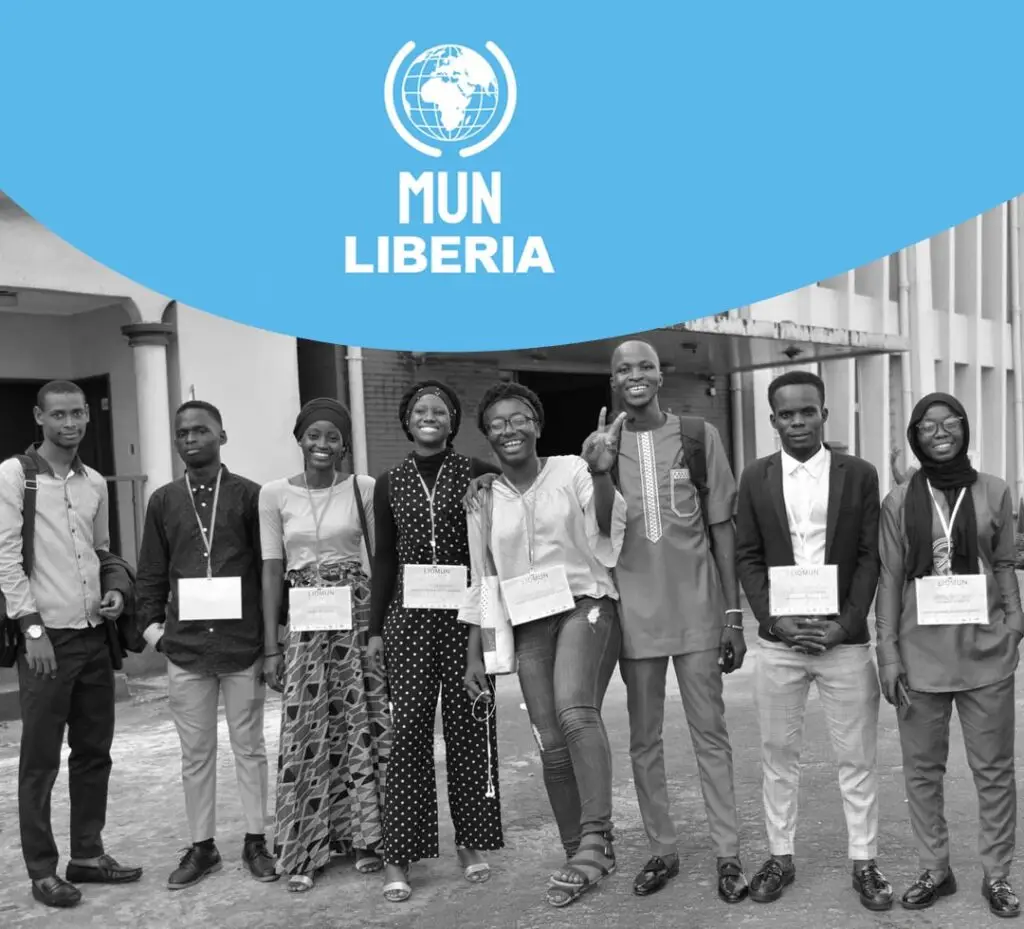
MUN-Liberia is a youth-led organization dedicated to empowering young people through Model United Nations conferences, leadership training, diplomacy, and civic engagement. We provide opportunities for participants to develop public speaking, negotiation, research, leadership, and critical thinking skills while addressing real-world global and national issues.
You can join by completing the membership or volunteer application when available. Membership opportunities are announced through our website and official social media channels.
Partnering with MUN-Liberia allows organizations to invest in youth empowerment, leadership development, civic engagement, education, and sustainable development while increasing their visibility among young leaders.
No. MUN-Liberia is an independent educational organization that uses the Model United Nations format to promote learning, leadership, diplomacy, and global citizenship. It is not an official organ or agency of the United Nations.
02.
Conferences & Events
Anyone passionate about leadership, diplomacy, international affairs, or personal development is welcome. Students from secondary schools, universities, and young professionals may participate depending on the specific event or program. Specific conferences may publish eligibility criteria (age, institution, or team size) in the official announcement for each edition and allow international delegates to attend annual conference or selected events or activities.
No. Beginners are encouraged to participate. We provide orientation sessions, training, and guidance to help first-time delegates prepare for conferences.
When delegate applications open for a given conference, we publish the official application link on our Linktree and social channels. You may also email [email protected] with the subject line “Delegate application” for guidance or questions.
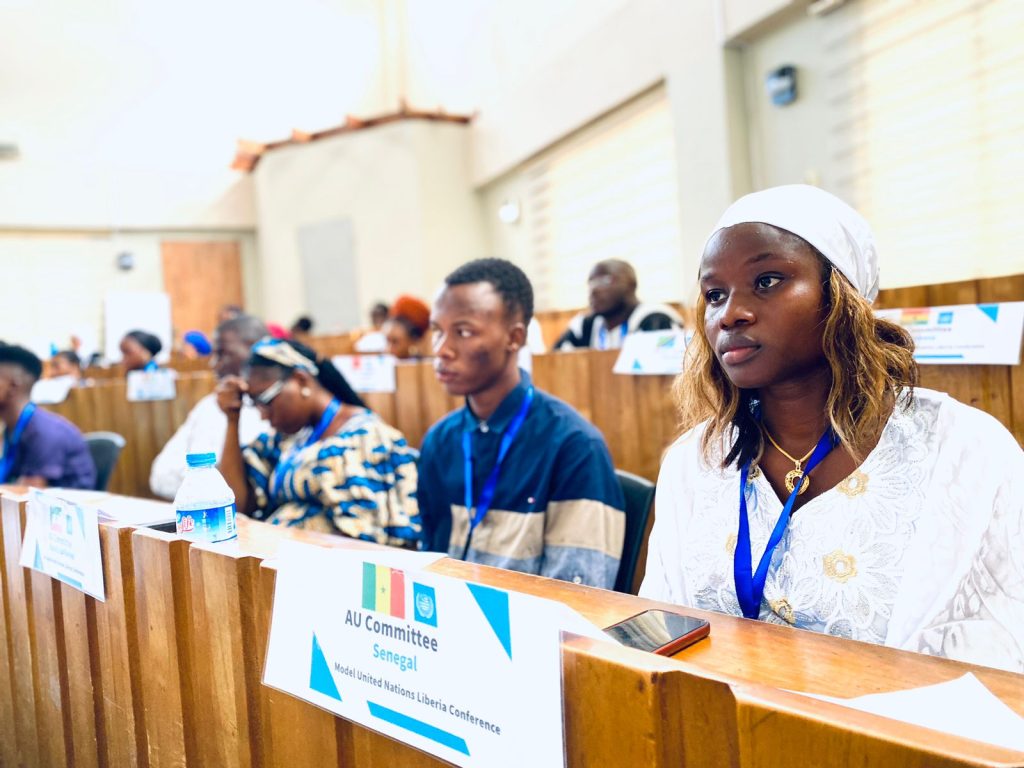
Delegates participate in committee sessions, deliver speeches, engage in moderated and unmoderated debates, negotiate with other delegates, draft resolutions, and vote on proposed solutions to global issues.
Some events require a registration fee to cover conference materials, venue costs, meals, certificates, and logistics. The applicable fee will always be announced before registration opens.
Yes. Participants who successfully attend and fulfill conference requirements receive certificates of participation. Outstanding delegates may also receive awards.
Depending on the event, awards may include Best Delegate, Outstanding Delegate, Honorable Mention, Best Position Paper, and Best Delegation.
Business or professional attire is recommended. Delegates are expected to dress professionally to reflect the diplomatic environment of the conference.
03.
Preparation
Preparing for your assigned country is one of the most important steps to becoming a successful delegate. Begin by researching your country’s geography, political system, economy, culture, foreign policy, and role in international affairs. Pay close attention to your committee’s agenda and understand your country’s official position on each topic, as your arguments and proposals should reflect those policies rather than your personal opinions.
You should also familiarize yourself with relevant United Nations resolutions, treaties, and international agreements related to the agenda. Before the conference, prepare a position paper if required, practice delivering your opening speech, and review the Rules of Procedure used during committee sessions. MUN-Liberia also provides training sessions, study guides, and other resources to help delegates prepare effectively, especially those participating in Model United Nations for the first time.
A position paper is a concise policy document that outlines your assigned country’s perspective on the committee’s agenda topics. It demonstrates your understanding of the issues, explains your country’s official position, and presents practical solutions that align with its foreign policy. A strong position paper usually provides background on the issue, highlights your country’s previous actions or commitments, references relevant United Nations resolutions or international agreements, and proposes realistic recommendations for addressing the topic.
Writing a position paper helps delegates organize their research, develop well-informed arguments, and prepare for committee debates. Depending on the conference, submitting a position paper may also be required for participation or eligibility for delegate awards.
Yes. MUN-Liberia regularly organizes delegate training workshops, orientation sessions, and preparatory programs before each conference to ensure participants are well equipped for the experience. These sessions are designed for both beginners and experienced delegates, covering essential topics such as the structure of the United Nations, committee procedures, parliamentary debate, research methods, position paper writing, public speaking, negotiation, diplomacy, and resolution drafting.
Our training programs are led by experienced MUN participants and facilitators who provide practical guidance, interactive exercises, and mock committee sessions to help delegates build confidence and develop the skills needed to succeed. Whether you are attending your first conference or looking to strengthen your abilities, MUN-Liberia’s training programs are designed to prepare you for a rewarding and impactful Model United Nations experience.
That’s perfectly okay. You don’t need to be an expert in international relations or the United Nations to participate in Model UN. Many delegates attend their first conference with little or no prior knowledge, and Model UN is designed to be an educational experience where participants learn by researching, debating, and collaborating with others.
MUN-Liberia supports delegates every step of the way by providing training sessions, study materials, committee background guides, and preparation resources to help you understand the topics and procedures. You’ll also learn how to research your assigned country, write a position paper, deliver speeches, and negotiate solutions during committee sessions. With a willingness to learn, prepare, and actively participate, you’ll gain valuable knowledge and skills while building confidence throughout the conference.